
What is commodities trading?
A complete guide to commodities trading
Complete Guide to Commodities Trading with NSB Capital
What is Commodities Trading?
Commodities trading involves buying and selling physical goods — such as agricultural products, energy resources, and precious metals — through financial instruments like Contracts for Difference (CFDs).
At NSB Capital, traders aim to profit from price fluctuations driven by factors like supply and demand, weather conditions, geopolitical events, and global economic trends.
Commodities markets are essential to global economic stability, offering opportunities for risk management, speculation, and portfolio diversification.
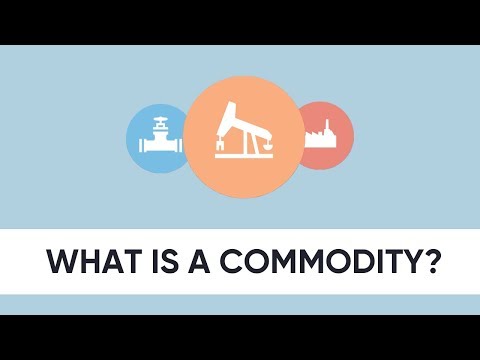
What Can Be Traded in a Commodities Market?
Commodities generally fall into four categories:
-
Agricultural commodities: cocoa, coffee, cotton, corn, livestock (pigs, cattle), palm oil, lumber.
-
Energy commodities: crude oil, natural gas, gasoline, coal, uranium, ethanol, electricity.
-
Metal commodities: base metals (copper, iron ore, zinc) and precious metals (gold, silver, platinum, palladium).
-
Environmental commodities: renewable energy certificates, carbon credits, and white certificates.
Why is Gold So Popular Among Traders?
Gold is one of the most frequently traded commodities due to its role as a safe-haven asset and a hedge against inflation. It tends to maintain its value during periods of economic uncertainty, offering a reliable diversification option for both new and experienced traders.
Why Do Traders Choose Commodities?
-
Profit Potential: Traders capitalize on price volatility by going long or short.
-
Diversification: Commodities can move independently of stocks and bonds, reducing overall portfolio risk.
-
Inflation Hedge: Precious metals like gold and silver help protect against currency devaluation.
-
Global Economic Insights: Commodity price shifts provide valuable indicators of global economic trends.
Trade Commodities with Leverage at NSB Capital
At NSB Capital, you can trade commodities via CFDs, controlling larger positions with smaller capital requirements thanks to leverage.
Important: Leverage magnifies both gains and losses, so proper risk management is essential.
Costs of Trading Commodities
With NSB Capital:
-
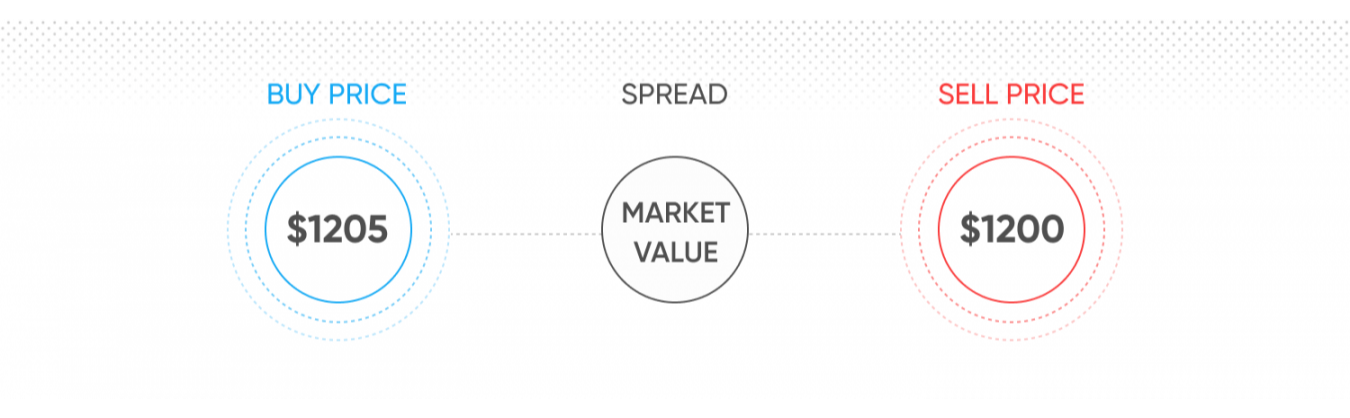
Competitive spreads based on the difference between buy and sell prices.
-
Zero commissions.
-
Transparent costs: All fees, including spreads and any overnight funding charges, are clearly outlined.
How to Start Trading Commodities with NSB Capital
-
Select a commodity CFD based on your strategy.
-
Set your trade size.
-
Apply a stop-loss to manage risk.
-
Open a long or short position.
-
Monitor fundamental and technical indicators.
-
Close your position to realize your gains or losses.
Example of a Commodity Trade
Suppose you trade gold via a CFD at $2,000 per ounce.
You open a long position with 10 contracts, worth $20,000.
With 5% margin, you only need to deposit $1,000.
If gold rises to $2,030, you close your trade for a profit of $300 (30 points × 10 contracts), excluding overnight charges if applicable.
Why Trade Commodities with NSB Capital?
At NSB Capital, we offer:
-
A clear and intuitive trading platform on desktop, tablet, and mobile.
-
Rapid withdrawals within 24–72 hours.
-
Over 75 technical analysis tools and multiple chart types.
-
Complete educational resources: courses, webinars, and videos.
-
24/7 dedicated customer support.
Trade commodities smartly and confidently with NSB Capital — your gateway to global markets!